

7 OCTOBRE
2027 - KORTRIJK
2027 - KORTRIJK

For forty years, time series forecasting has meant a whole project: hire data scientists, engineer features, train, tune, retrain. Half the use cases your teams could imagine never made the cut - the business case was too thin.
Time series foundation models break that equation. They deliver accurate forecasts out of the box - no training, no tuning, no feature engineering. In months of rigorous tests against live industrial forecasters and peer-reviewed literature benchmarks, we found they match or beat the competition at a fraction of the cost and time.
In this session, we share the honest results - where these models shine and where they still fall short - the use cases that suddenly clear the business case, and a practical checklist to rethink your forecasting roadmap before your sector catches on.
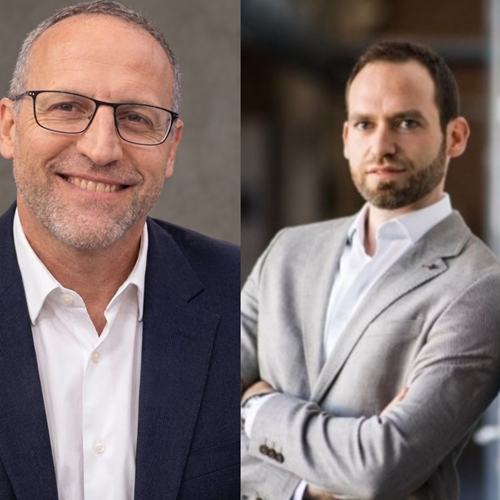
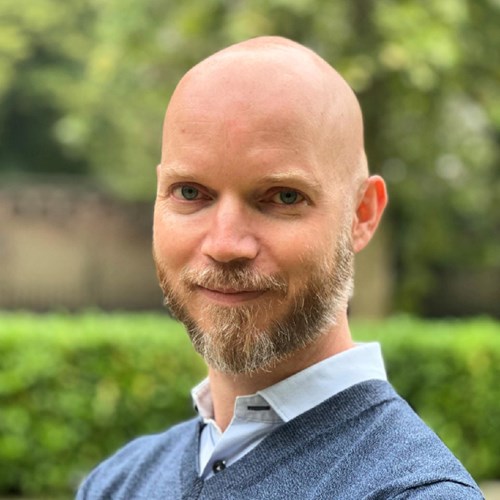 Davy Demeyer
Founder - ACCELEER
Davy Demeyer
Founder - ACCELEER
 Ken Vanherpen
Researcher - Flanders Make
Ken Vanherpen
Researcher - Flanders Make
 Peter Billen
Principal Architect - Google Cloud
Peter Billen
Principal Architect - Google Cloud
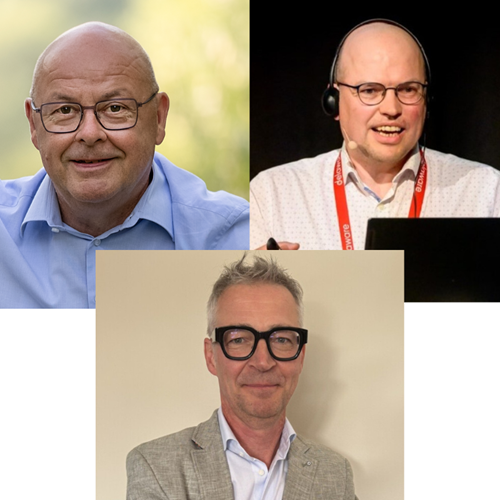 Mark Thienpont, Walter Vanherle & Daniel Lievens
Lead Expert AI&Quantum - Univ. Maastricht, Partner innovation & emerging technology - BDO et CIO - Lineas
Mark Thienpont, Walter Vanherle & Daniel Lievens
Lead Expert AI&Quantum - Univ. Maastricht, Partner innovation & emerging technology - BDO et CIO - Lineas
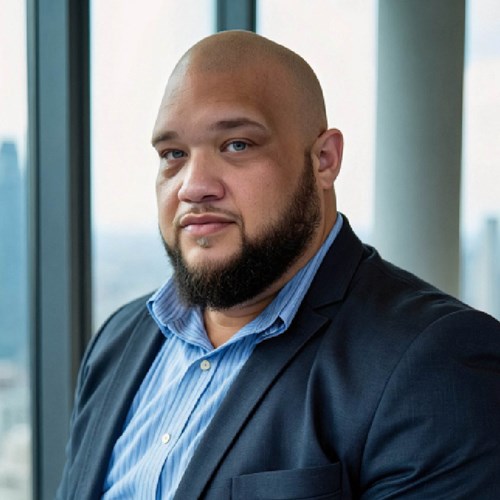 Marc Samson
Advisory Board Member, ISACA Belgium
Marc Samson
Advisory Board Member, ISACA Belgium
 Abdellatif Bey-Temsamani
Project Leader - Flanders Make
Abdellatif Bey-Temsamani
Project Leader - Flanders Make
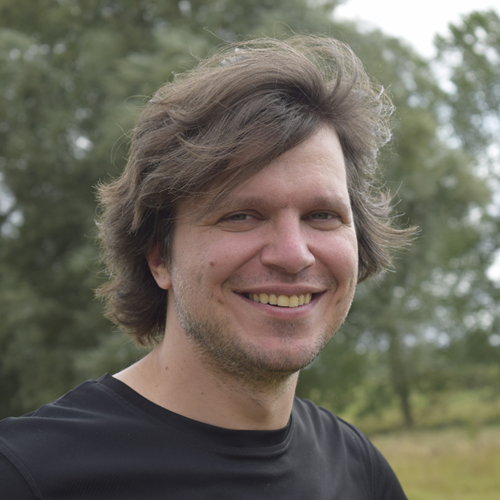 Andreas De Groote
Head of operations and automation Sports & Leisure Group
Andreas De Groote
Head of operations and automation Sports & Leisure Group
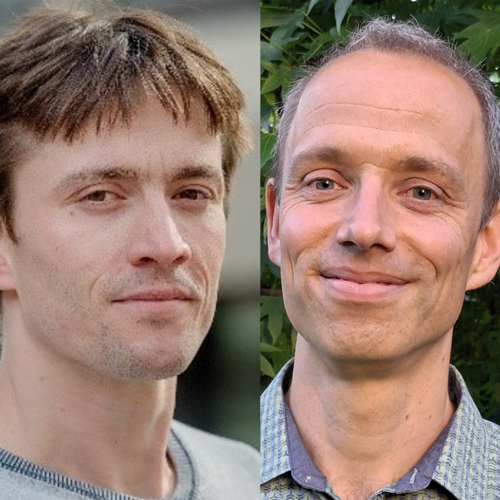 David Autrique & Filip Logist
Data Analytics & Advanced Process Control - BASF Antwerpen
David Autrique & Filip Logist
Data Analytics & Advanced Process Control - BASF Antwerpen
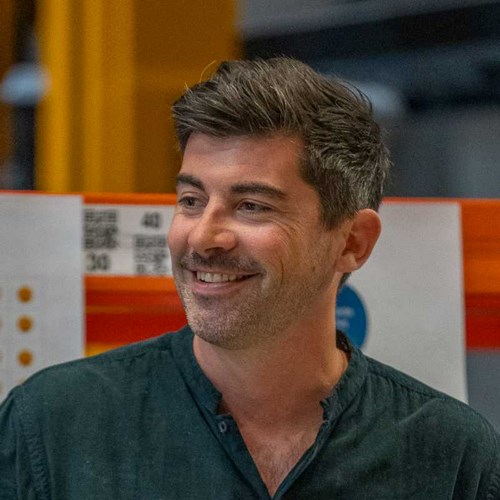 pepijn Verhaeghe
Head of Strategy & Operations - ChocDecor
pepijn Verhaeghe
Head of Strategy & Operations - ChocDecor
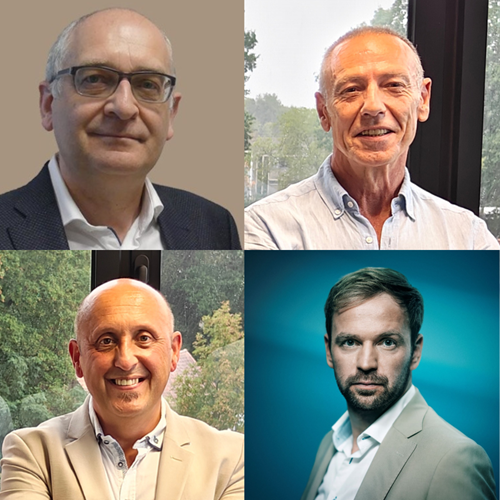 Vincent Haerinck
 Lionel Mottard